

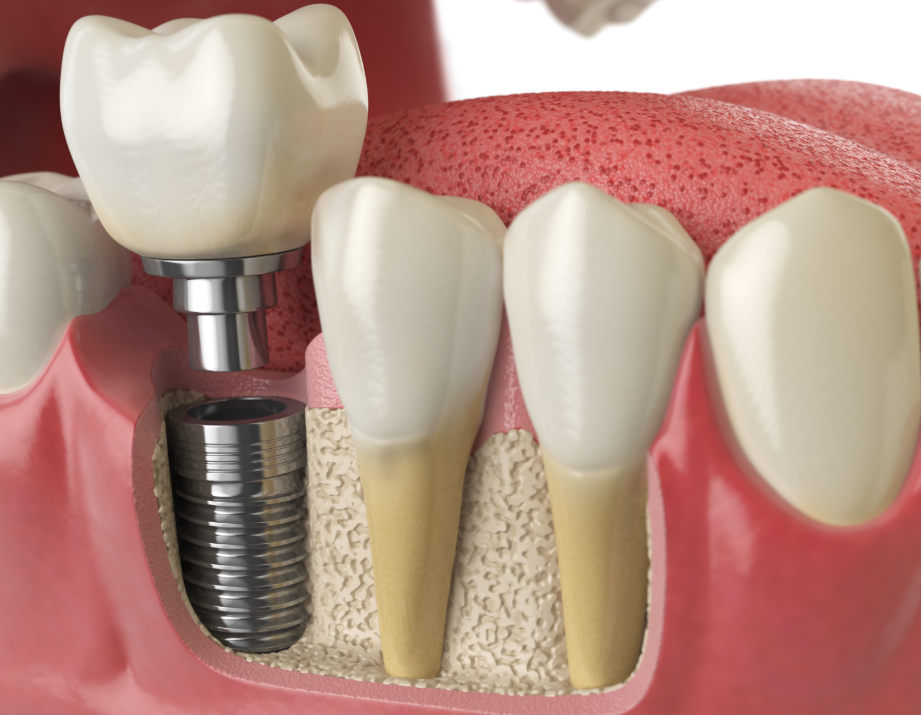
Dental implants are known for their durability and long-term success, but like any medical procedure, they aren’t completely immune to complications. In rare cases, an implant may fail and need to be removed to protect your oral health.
If you’ve been told your implant isn’t functioning properly, it’s natural to feel concerned. Understanding why this happens—and what comes next—can help you feel more at ease with the process.
Why Do Dental Implants Fail?
Implant failure can happen for a few different reasons. One of the most common is a condition called peri-implantitis, which is an infection that affects the gum and bone surrounding the implant. This can lead to inflammation, bone loss, and ultimately loosening of the implant.
Other causes may include poor osseointegration (when the implant doesn’t properly fuse with the jawbone), excessive pressure on the implant, or underlying health conditions that affect healing.
In some cases, trauma or injury to the area can also compromise the implant’s stability.
Signs Your Implant May Need to Be Removed
A failing implant doesn’t always cause immediate pain, but there are some warning signs to watch for. These may include:
- Persistent discomfort or swelling around the implant
- Bleeding or pus near the gumline
- A loose or shifting implant
- Difficulty chewing or biting
If you notice any of these symptoms, it’s important to have your dentist evaluate the area as soon as possible. Early intervention can help prevent further complications.
What Happens During Implant Removal?
If your dentist determines that the implant needs to be removed, the procedure is typically straightforward. Local anesthesia is used to keep you comfortable while the implant is carefully taken out.
The exact approach depends on how well the implant is integrated with the bone. In some cases, removal is relatively simple. In others, especially if the implant is firmly fused, your dentist may need to use specialized techniques to remove it safely without damaging surrounding bone.
The goal is always to preserve as much healthy tissue as possible.
What to Expect After the Procedure
After the implant is removed, your mouth will need time to heal. You may experience mild swelling or discomfort for a few days, but this is usually manageable with recommended aftercare.
In some situations, your dentist may place a bone graft to help rebuild the area. This can be especially important if you’re considering replacing the implant in the future.
Healing time varies, but many patients recover within a few weeks, while bone regeneration may take a few months if additional procedures are involved.
Can the Implant Be Replaced?
In many cases, yes. Once the area has fully healed and any underlying issues have been addressed, a new implant can often be placed successfully.
Your dentist will evaluate factors like bone density, gum health, and overall healing before recommending the next steps. With the right preparation, replacement implants can have excellent long-term outcomes.
Facing a failed implant can feel discouraging, but it’s often a temporary setback with a clear path forward.
About the Practice
Mind Your Mouth of Maine provides comprehensive dental implant care, including the evaluation, removal, and replacement of failed implants. Our doctors and team take a personalized, patient-focused approach to ensure each treatment plan supports long-term oral health and comfort. Using advanced techniques and technology, the practice is dedicated to helping patients restore their smiles with confidence and lasting results.
Call us at (207) 200-4106 or schedule your appointment online.